Meet Me at the Wall
Show Notes and Photos - Season 2
Season 2: Episode 1
The Sky’s the Limit
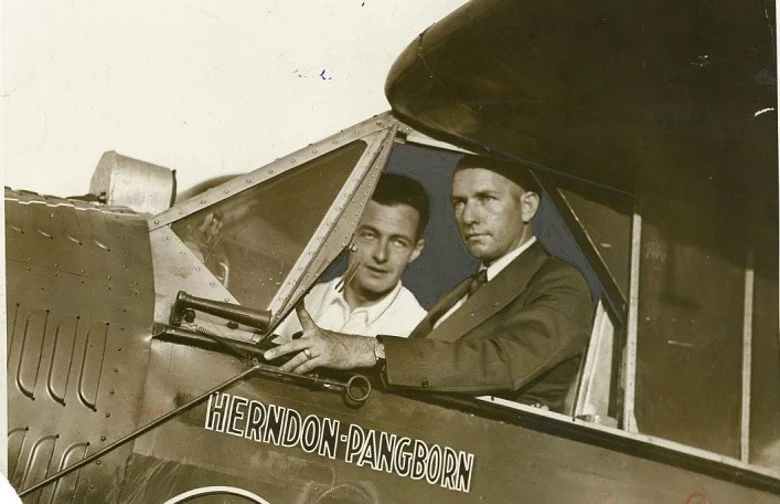
Photo:
Pangborn & Herndon —
First Nonstop Pacific Flight
Links:
Season 2: Episode 2
The Mountain Trek
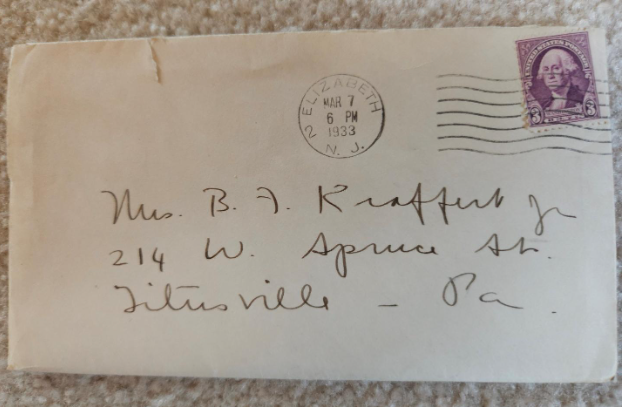
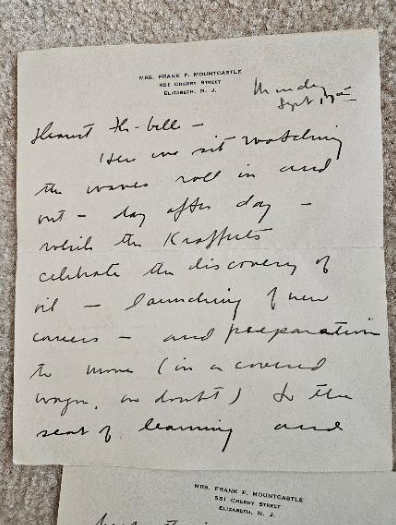
Photo:
From Kraffert Family Archives Shiney’s Dashes---(even on the envelope!)

Book:
About the Lindbergh Kidnapping:
The Sixteenth Rail by Adam J. Schrager

Season 2: Episode 3
Storm Cloud Coming
The Works Progress Administration (WPA) was a cornerstone New Deal program launched in 1935 to combat massive unemployment during the Great Depression. Instead of direct relief, the WPA provided paid work on public projects—building roads, schools, hospitals, parks, and airports—while also funding cultural initiatives that employed thousands of artists, writers, musicians, and actors. Between 1935 and 1943, the WPA created millions of jobs and transformed the nation’s infrastructure and cultural landscape, leaving a lasting legacy in communities across the United States. For more information...
Photo of podcaster Doug Marconnet early in his career
photo courtesy of Lori Hunter
Links: Records of the Work Projects Administration [WPA]
Titusville, Pennsylvania is a small Oil Creek valley town in northwestern Pennsylvania, home to about 5,262 residents and named for early settler Jonathan Titus. Known as the birthplace of the modern oil industry, it attracts visitors to the Drake Well Museum, the Oil Creek & Titusville Railroad, and the trails and scenery of Oil Creek State Park. With its preserved landscapes, historic sites, and outdoor recreation, Titusville offers strong appeal for travelers interested in American history and nature‑based tourism.
For more information on Titusville PA history:
https://www.titusvillehistoricalsociety.org
https://bensonlibrary.org/local-history
Titusville Heritage Connection https://heritageconnection.org
Image courtesy of the U.S. Army Air Forces / National Archives (public domain).

"Aunt Fran's" Cabin in Titusville where Anne and Betsy stayed during their visit.
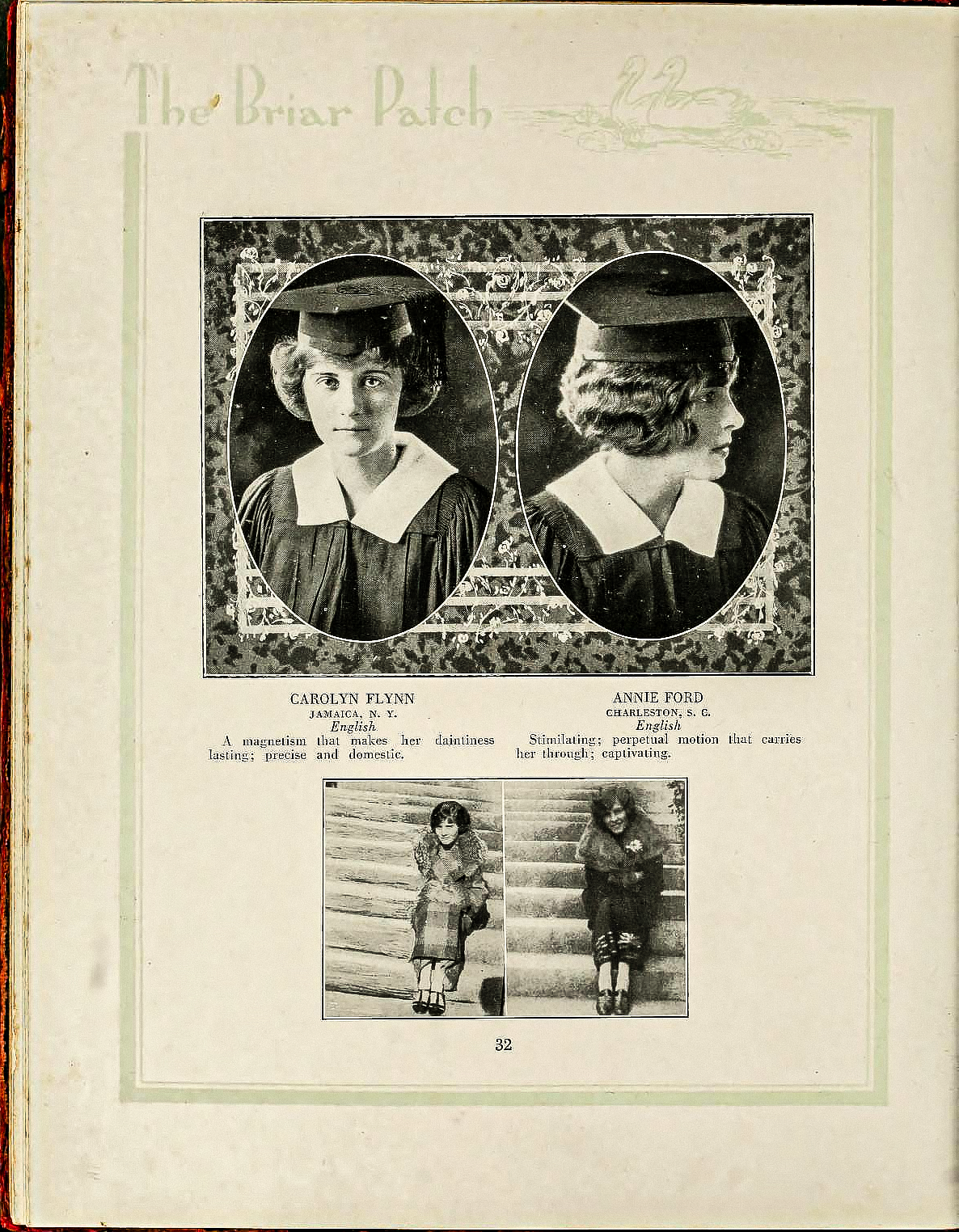
College Graduation Photo of Anne Ford Melton from The Briar Patch 1924 yearbook.
Left: Carolyn Flynn was Fleur's first college roommate!
Sweet Briar Reunion Photo Shiney is second from the left and Fleur is fourth from the left
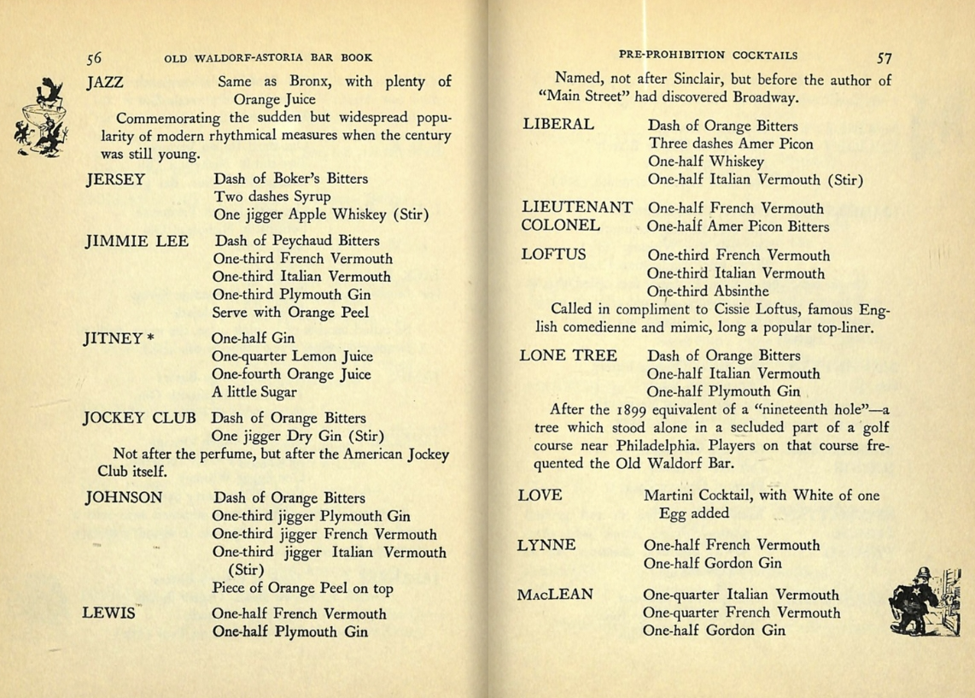
Image courtesy of the U.S. Army Air Forces / National Archives (public domain).
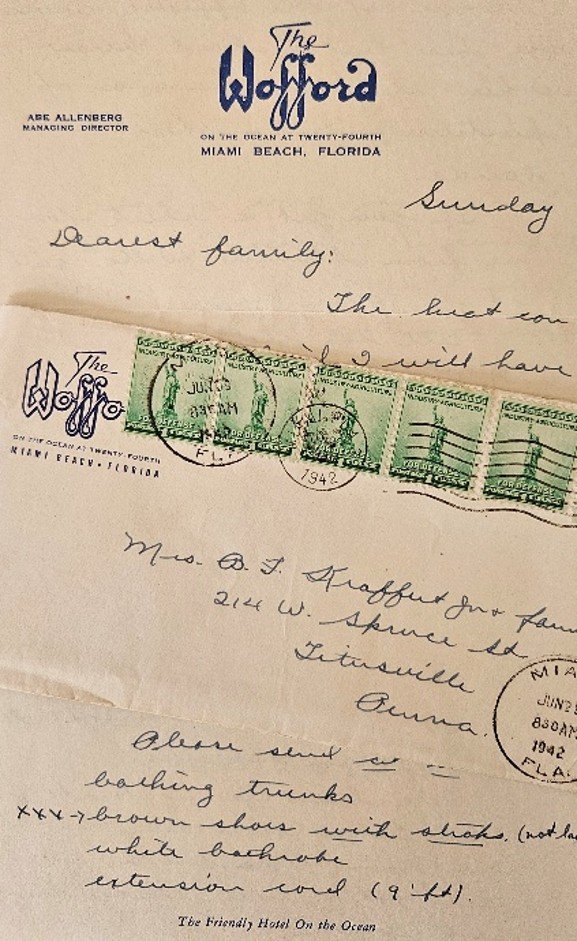
Cheers! Jitney Recipe as promised from
Old Waldorf-Astoria Bar Book:
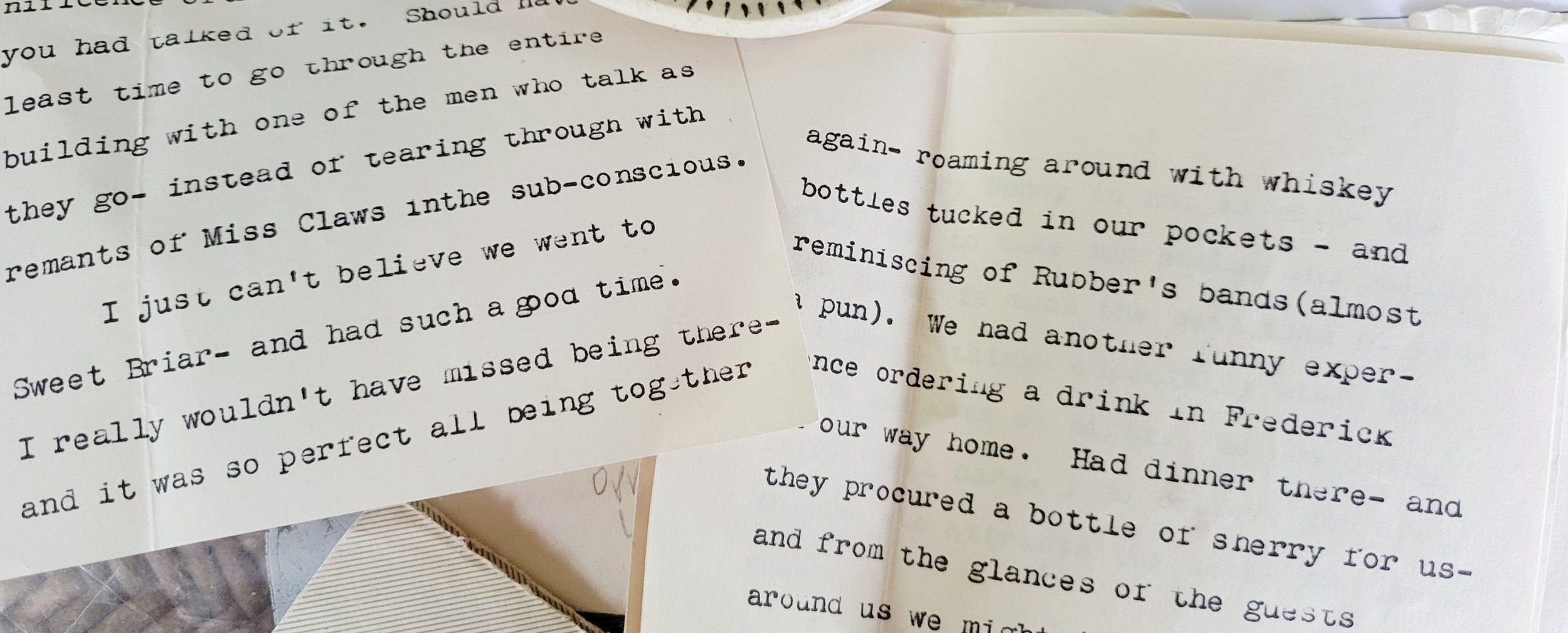
Letter to Fleur from Shiney Jul '39
Season 2: Episode 4
Uncle Sam Calls…Again
Guest: John Gurda
John Gurda (born June 9, 1947) is a Milwaukee native whose writing and research have shaped how the city understands its own past. Over several decades, he has published more than twenty books exploring Milwaukee’s neighborhoods, industries, and cultural evolution, with The Making of Milwaukee becoming both his signature work and the foundation for an Emmy‑winning Milwaukee PBS documentary. Beyond his books, Gurda has long been a familiar voice in the Milwaukee Journal Sentinel, where his columns interpret local history with clarity and accessibility. He holds degrees from Boston College and the University of Wisconsin–Milwaukee, including an honorary doctorate recognizing his contributions. Widely regarded as Milwaukee’s leading public historian, Gurda is known for helping people see how the city became what it is today.
We’re grateful to have him on the podcast — his insight, generosity, and thoughtful storytelling make him an exceptional guest.
WWII Military Training in Miami Beach (“Camp Miami Beach”)
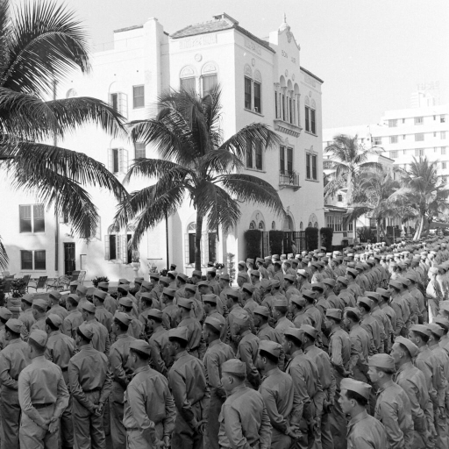
During World War II, Miami Beach underwent a dramatic transformation as the U.S. Army Air Forces Technical Training Command took over nearly the entire resort city for military use. More than 300 hotels and apartment buildings were requisitioned or leased, turning the famous vacation destination into a major training center for airmen.
By 1942, the military was operating out of almost all of the city’s 332 hotels, converting them into barracks, classrooms, mess halls, and administrative spaces. Soldiers slept in hotel rooms, drilled on the beaches, and attended technical instruction in ballrooms and lobbies that had been repurposed for wartime needs.
The operation quickly became known as “Camp Miami Beach,” a nickname that captured both the scale of the mobilization and the surreal contrast between military discipline and the city’s glamorous backdrop. Some referred to it as “the most beautiful boot camp in America.”
Scale of the Training Effort
Nearly half a million servicemen trained in Miami Beach between 1942 and 1945.
At peak capacity, about 78,000 soldiers were housed in hotel rooms at the same time.
Well‑known figures — including Clark Gable, Hank Greenberg, and Franklin D. Roosevelt Jr. — passed through the program.
Using existing hotel infrastructure saved the government an estimated $6 million in construction costs.
By the end of the war, one‑fourth of all Army Air Force officers and one‑fifth of all enlisted men had received training in Miami Beach.
The city also served as an Army Redistribution Station, processing returning infantrymen before reassignment.
Why Miami Beach?
The city offered:
A large concentration of hotels that could be quickly converted
Mild weather suitable for year‑round training
Existing transportation links
A civilian infrastructure capable of supporting tens of thousands of troops
Sources & Notes
Facts compiled from historical summaries, museum archives, and veteran accounts, including the Museum of Florida History and MiamiBeachVets.com. All information has been paraphrased for clarity and originality.
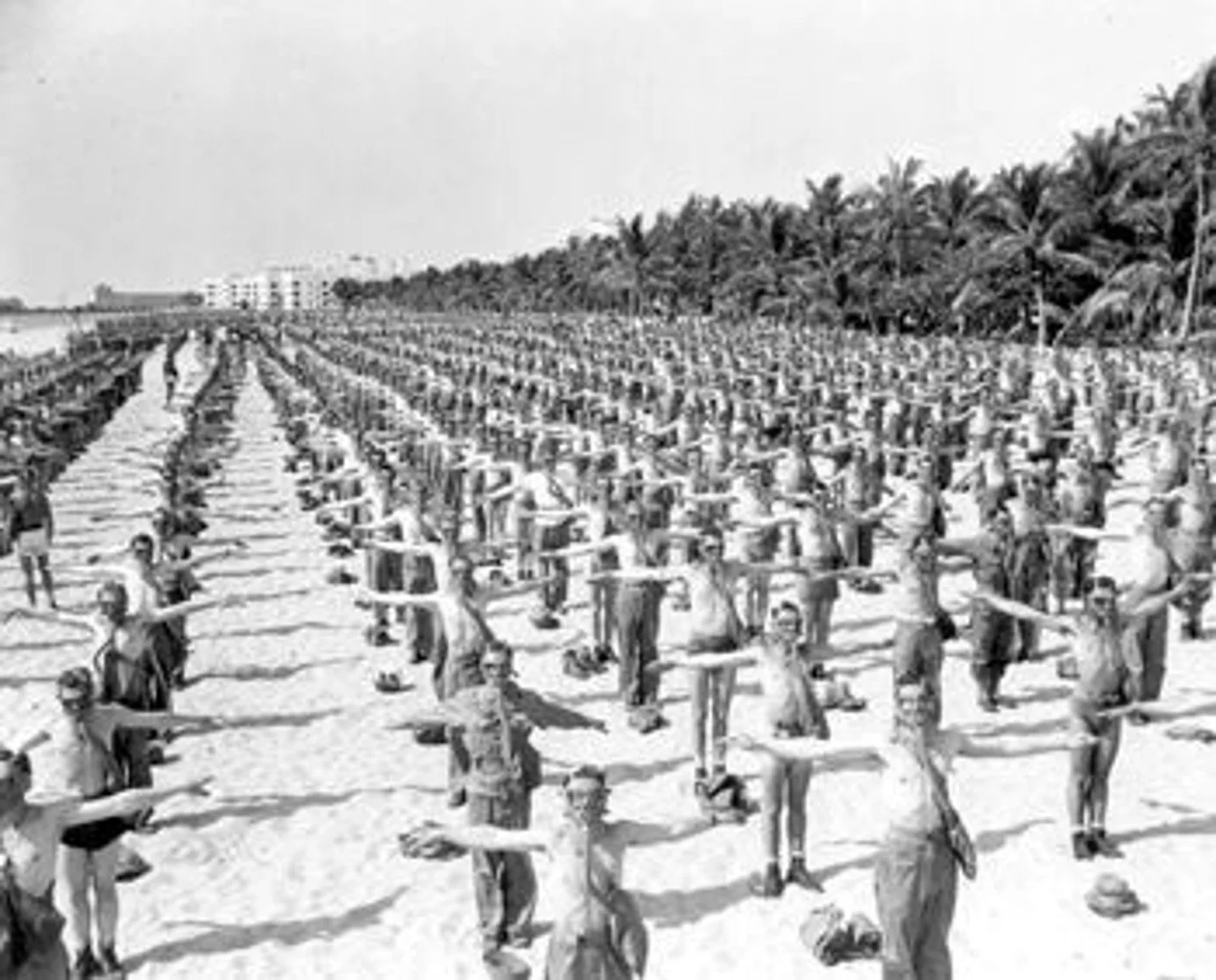
WW2 Soldiers practicing on Miami Beach
This image shows Army Air Forces trainees on Miami Beach during World War II performing calisthenics while wearing their issued masks. It was part of chemical‑warfare defense training, meant to accustom soldiers to physical exertion while breathing through the filters. Exercises like this were common at Camp Miami Beach and other Florida training sites such as Camp Gordon Johnston and Camp Blanding.
The masks you see are likely M1 or M2 service respirators, standard issue for U.S. troops in the early 1940s. The drill combined beach physical training with chemical‑warfare readiness — a striking contrast between the tropical setting and the grim realities of wartime preparation.
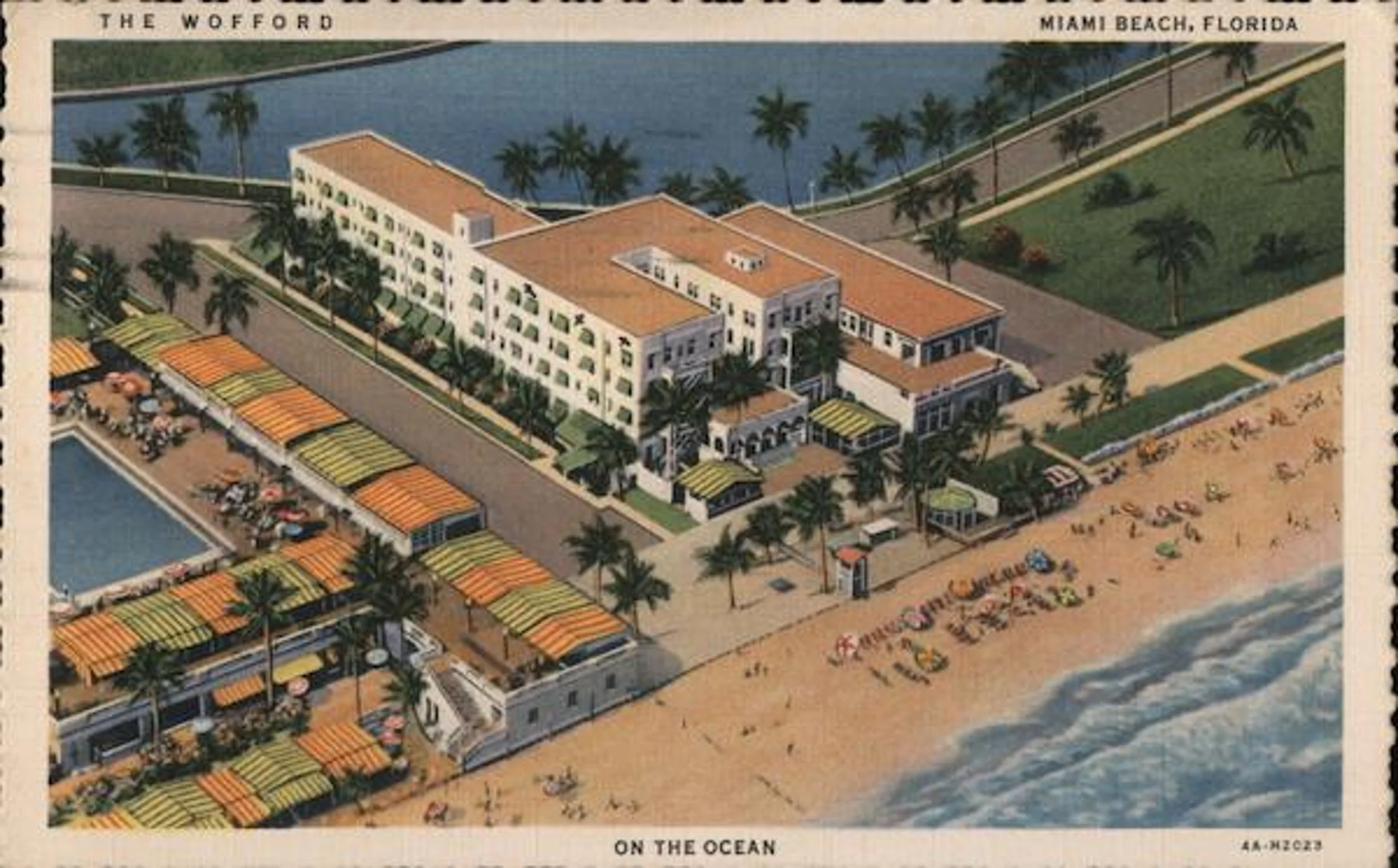
Ben’s letters from the Wofford were brief, steady notes home describing the converted hotel barracks, early‑morning beach drills, gas‑mask training, and the everyday rhythm of Army Air Forces life during “Camp Miami Beach.”
The Wofford Hotel in WWII
The Wofford Hotel at 2400 Collins Avenue had a colorful past long before the Army Air Forces took it over during WWII. In the 1930s and early ’40s, it was known locally as a quiet hangout for small‑time gangsters and bookmakers, a place where back‑room deals mixed with Miami Beach sunshine. When the war began, the Wofford was swept into the city‑wide “Camp Miami Beach” mobilization and converted into housing and administrative space for incoming airmen. After decades of decline, the hotel was condemned in 1973 and demolished the following year; a condominium now stands where gangsters once schemed and soldiers once trained.